Why Every Business Needs a Website in 2024
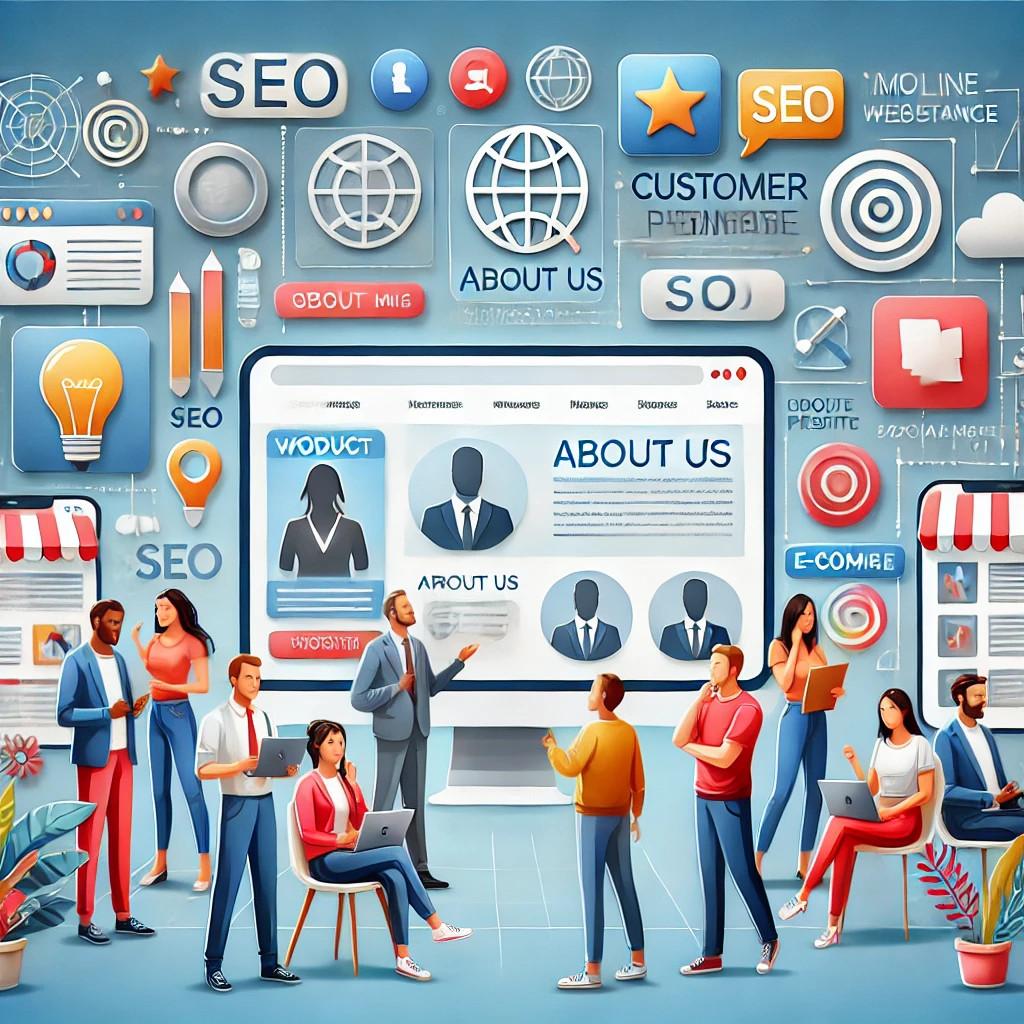
In today’s fast-paced digital world, having a strong online presence is no longer just an option—it’s essential. With more consumers relying on the internet to find products, services, and solutions, a website acts as the foundation for your business’s digital footprint. Here’s why every business, regardless of size, needs a website in 2024.
1. Establishes Credibility and Professionalism
A website is fundamental to establishing credibility and professionalism. For many customers, a business’s website is the first point of contact, and it’s often what they use to judge whether or not to trust a brand. Studies show that over 75% of people judge a company’s credibility based on its website design alone. By having a professional and well-designed website, even small businesses can appear as credible and trustworthy as larger companies. Plus, a website allows you to:
Showcase testimonials, awards, and certifications, boosting credibility
Share customer success stories and case studies to validate your expertise
Highlight team members and company history, adding a personal touch
2. Increases Online Visibility and Reach.
A website helps customers find you online. With billions of searches conducted daily, a website makes it possible for your business to appear in search results on platforms like Google. When optimized for local SEO, your website is more likely to be found by people in your area, creating valuable connections with potential clients nearby. This ease of accessibility ensures you reach people who are already searching for the products or services you offer.
3. Acts as a Digital Showroom for Your Products and Services
Your website also acts as a digital showroom where customers can explore your products and services in detail. Unlike social media, which has limited space for in-depth descriptions, a website allows you to provide complete information. For service-based businesses, this can be especially valuable, as it showcases your expertise and lists offerings. On a website, you can:
Display high-quality images and videos to showcase products
Create detailed descriptions, helping customers make informed decisions
Feature new or seasonal products and highlight current promotions
4. Supports Digital Marketing Efforts
Supporting digital marketing efforts is another key benefit of having a website. Whether you’re running ads, sharing content on social media, or sending out email campaigns, a website serves as the central hub where all this traffic can land. With tools like Google Analytics, you can track which marketing channels bring in the most visitors, helping you understand what’s working. This data-driven approach helps maximize your marketing return on investment by letting you:
Identify the most effective marketing channels and campaigns
Track visitor behavior to see what content resonates
Make data-informed decisions for future marketing strategies
5. Builds Brand Identity and Connection with Your Audience
A website is also essential for building your brand identity and connection with your audience. Unlike social media profiles that are bound by platform constraints, a website is fully customizable. You can choose colors, layouts, and fonts that align with your brand’s personality. Adding features like an About Us page, team member introductions, or your company story establishes a deeper connection with visitors, making your brand more memorable. Through your website, you can:
Customize branding elements to reflect your company’s style
Share your brand’s story, values, and mission, building trust
Make a lasting impression with visuals and interactive features
6. Enhances Customer Service
Improving customer service is another advantage of having a website. Through an FAQ section, contact forms, or live chat, you can address customer questions and concerns 24/7. Many websites now offer chatbot support, which allows customers to get instant responses even outside regular business hours. This level of support shows that you care about your customers’ needs and enhances their overall experience with your brand. Key features include:
FAQ sections that answer common customer questions
Contact forms to help visitors reach out easily
Chatbots and live chat for immediate assistance
7. Facilitates Online Sales and Bookings
For businesses looking to offer products or services online, a website enables online sales and bookings, opening up a convenient, new revenue stream. Customers can browse and make purchases from your e-commerce site at any time. For service-based businesses, adding a booking system lets clients schedule appointments directly through the website, saving both time and effort. Benefits include:
E-commerce features for direct sales and payment processing
Booking systems for service appointments
Convenience for customers to interact on their own schedule
8. Provides Valuable Customer Data and Insights
Beyond sales, a website is also a goldmine for collecting valuable customer data. Through tools like Google Analytics, you gain insights into visitor behavior, demographics, and the pages they spend the most time on. This data is invaluable for refining your marketing strategies, understanding customer preferences, and improving their experience with your business. By tailoring your content to meet their needs, you increase engagement and conversion rates. Insights can help you:
Track which products or services get the most interest
Understand customer demographics to tailor marketing
Create targeted campaigns based on customer preferences
9. Offers 24/7 Availability
A website never sleeps. Unlike a physical storefront, your website is accessible 24/7, giving customers a chance to learn about your business and make purchases whenever it’s convenient for them. This availability is especially valuable for reaching customers across different time zones and catering to people who browse outside regular business hours. With a website, you can:
Provide information and access around the clock
Reach customers in different time zones or with different schedules
Ensure your business remains accessible, even after hours
10. Keeps You Competitive in a Digital-First Market
In today’s digital-first market, having a website keeps you competitive. With most businesses today having a website, not having one can put you at a disadvantage. Customers are more likely to choose businesses that are easier to find online, and an SEO-optimized website has a higher chance of ranking in search results. An SEO-friendly website can:
Increase your business’s visibility on search engines
Help attract new customers who are searching for relevant keywords
Position you ahead of competitors who lack a strong online presence
